


Spectacular Reproductive Aggregation of Gymnodoris ceylonica Observed in Pereybere, Mauritius
A rare nudibranch reproductive cascade in Mauritius
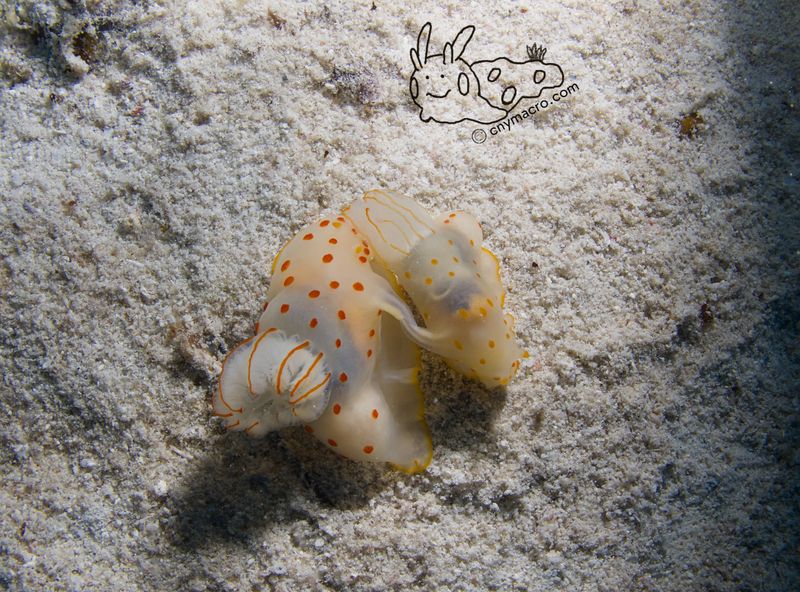
A remarkable reproductive aggregation of Gymnodoris ceylonica was recently observed in Pereybere, northern Mauritius, offering a fascinating glimpse into the complex breeding behavior of this carnivorous nudibranch. Such reproductive cascades, where multiple individuals gather simultaneously to mate and lay eggs, are rarely witnessed and represent a highlight for macro life enthusiasts and underwater photographers.
This event confirms once again that Mauritius is a true hotspot for nudibranch diversity and behavior in the Indian Ocean.
What is Gymnodoris ceylonica?
Gymnodoris ceylonica is a shell-less marine gastropod belonging to the family Gymnodorididae. Unlike many colorful reef nudibranchs, this species is often more discreet, with a translucent to pale body and visible internal organs.
Key characteristics:
- Carnivorous nudibranch, often feeding on other sea slugs
- Mostly nocturnal or crepuscular
- Found on sandy bottoms and reef slopes
- Widespread across the Indo-Pacific, including Mauritius
Despite being regularly present, its reproductive behavior is seldom observed, making this aggregation particularly special.
Understanding nudibranch reproductive cascades
Nudibranchs are simultaneous hermaphrodites, meaning each individual possesses both male and female reproductive organs. During a reproductive cascade, several individuals gather in the same area to mate in sequence or simultaneously.
In the case of Gymnodoris ceylonica, the aggregation observed in Pereybere involved:
- Multiple individuals moving together in close proximity
- Active mating behavior
- Subsequent egg-laying in characteristic spiral or ribbon-like egg masses
Such cascades increase reproductive success and are often triggered by environmental cues, such as water temperature, lunar cycles, or food availability.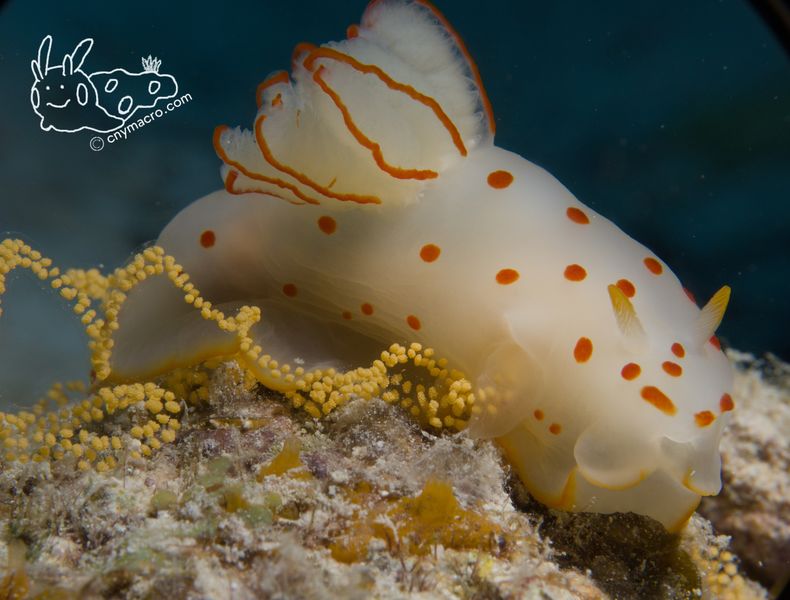
A unique observation in Pereybere, Mauritius
The Pereybere area provided ideal conditions for this event, with calm waters and suitable substrates. Witnessing several Gymnodoris ceylonica individuals engaged in reproduction at the same time is a rare opportunity, even for experienced divers and underwater naturalists.
These moments are not only visually striking but also scientifically valuable, helping us better understand:
- Nudibranch life cycles
- Seasonal reproductive patterns
- Biodiversity dynamics in Mauritian waters
Why this event matters for marine biodiversity
Reproductive aggregations are indicators of a healthy marine ecosystem. Observing such behavior suggests:
- Stable environmental conditions
- Sufficient food sources
- Low disturbance levels
For Mauritius, events like this reinforce the island’s importance as a macro biodiversity hotspot and underline the need to protect shallow reef and sandy habitats that are often overlooked.
Nudibranch watching in Mauritius: a macro paradise
From Nembrotha to Costasiella, Mauritius hosts an impressive array of nudibranch species. Events like this Gymnodoris ceylonica reproductive cascade show that patience and careful observation can reveal extraordinary natural phenomena—even in familiar dive sites.